lists
Finding pattern in the data you already collect
Preface
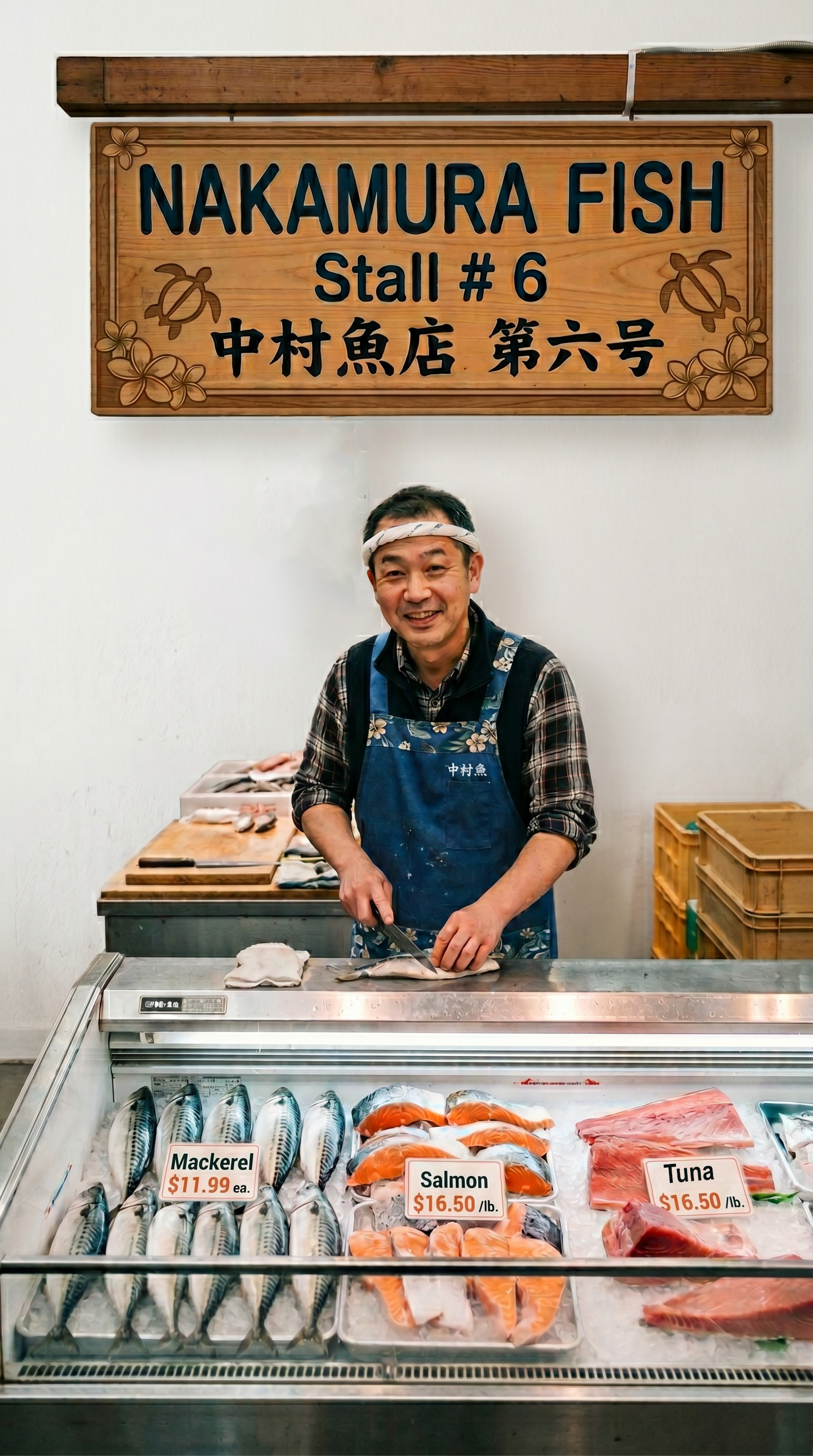
We all make lists. You walk through a market and note what is on the stalls; you visit a friend’s garden and see what they have chosen to grow; you write down the birds at a pond, the tools on a workbench, the dishes on a menu. More often now you do not even write it down — you photograph the whole display, a dozen frames, and carry it home in your pocket. And there, almost always, it stops. The photographs sit unopened. The list is never looked at again.
This is a strange thing, because something drew you to make the record in the first place. The market was worth a dozen photographs. The interest was real. What is missing is not the curiosity and not, it turns out, the analysis — the analysis is short. What is missing is a picture in your head of what you would even do next. Without that, the data freezes, and a frozen record is barely worth collecting.
This little book is about thawing it. It takes the kind of list anyone can gather and carries it, in a handful of plain steps, to a picture you can read: which things tend to occur together, which places resemble each other, where the groups are. The steps are simple enough to do in an afternoon and, with a little practice, almost in the field. None of it asks for counts or measurements; a bare list of what was present, where, is enough to find the large patterns.
There is a quieter point underneath, and it grows as the book goes on. The value you get out of a list depends less on the cleverness of the analysis than on a little care taken before you start — in how you decide what to record and where. The last chapters are about that care, and how it turns an interesting picture into a defensible one. But the picture comes first, because seeing it is what makes the care feel worth taking.
We will follow one small example throughout: a fish market, a row of stalls, each selling its own short list of fish and shellfish. It is invented, kept small enough to hold in your head, and chosen because markets are exactly the sort of thing we all photograph and then forget. By the end you should be able to take your own forgotten list and do the same with it.